







Ayurvedic remedies made simple.
The quality and help you need to solve your chronic ailment for good.
Order Now
Easy To Take
Strict Adherence To Traditional Ayurvedic Formulations
Access To Certified
Ayurvedic Physicians
Improving your health should be simple.
But instead, you’re stuck:

Overwhelmed by the sheer number of meds you’re taking

Worrying if this medication will work for you - when so many other remedies have not

Not knowing who to turn to if you have questions about your remedy

Counting the cost of all those pills you’re required to take
There has to be a simpler way to get well.
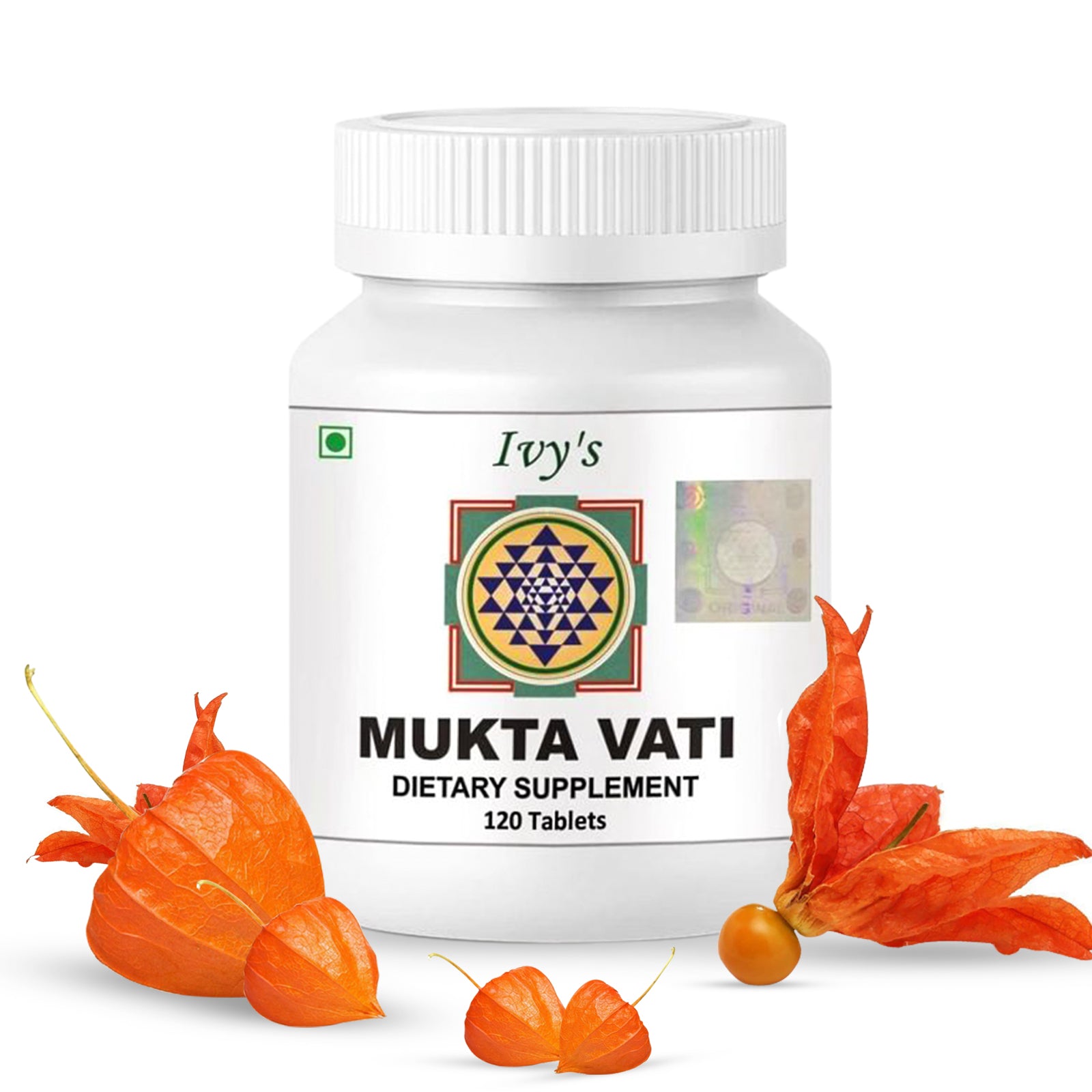
Have used Mukta Vati
from you for years!
~ Joseph H.
One ailment. One supplement.
So that you can target the root cause of the issue in careful combinations that make getting well faster, easier and more affordable.
“You should have a more affordable, convenient, easy-to-follow regimen to get well.”
Puneet Aggarwal, Nirogam Founder
Most people are frustrated by the lack of empathy and support provided for their chronic ailments.
We combine a proprietary approach that understands:
- The source of the problem
- We formulate the right combinations of herbs
- Always with the highest possible quality
- With the right instruction and support
To support you to solve your ailment for good.
SHOP OUR FULL RANGE OF SUPPLEMENTS
Chronic ailments we specialize in


Why people love Nirogam
- Quality
- Support
- Shipping
I think your Ivy's Mukta Vati is a real winner!!!
It worked better than anything I have seen to bring Blood Pressure down.
Alice B.
I have no doubt the product is excellent. I was unable to use it as one of the ingredients I have an allergy to.
I know others who have and they loved it.
Sal A.
Most outstanding is product efficacy. The items I bought proved effective within 24 hours.
Thank you.
Abraham W.
The product was delivered many days before some of my domestic orders. The product is fresh, and seems to be working as promised.
Victoria C.
Excellent delivery experience... Was updated with timeline expectations at every stage.
Liam M.
Quality products always delivered on time from India to Ireland.
Bernard A.
Every time we order, Chitra has been very pleasant, professional, and courteous, we really appreciate how quickly and easily we can place our orders.
Thank You!
Judith P.
Slight issue with customs, but nirogam customer service is fantastic!
Martin M.
Very well established company with good quality service and great quality supplements.
Jacob P.
You deserve an Ayurveda company that understands:

Your lifestyle and the challenges and daily pressures you face

How multiple remedies can be combined to provide optimum benefits

Your need to know exactly what’s inside your remedy

How to create a simple plan for you to get well faster

30-day
moneyback guarantee
We stand by our quality but also understand, our products aren’t right for everyone.
If for any reason, you’re not completely satisfied, drop us an email and we’ll make it as easy as possible to refund your money in full.

Fast
shipping
Our products are all sourced from India, the birthplace of Ayurveda. But rest assured, we have a warehouse in the U.S. so you’ll have your package in 3-5 working days if not sooner.
For other regions, your products will arrive in about 7 working days, if not sooner.
Excellent delivery experience...
was updated with timeline
expectations at every stage
~ Liam M.